
The Diagnostic Dilemma: Why Digital HD Color Doppler Outperforms Gray & Black Ultrasound
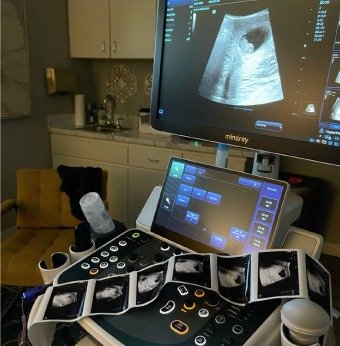
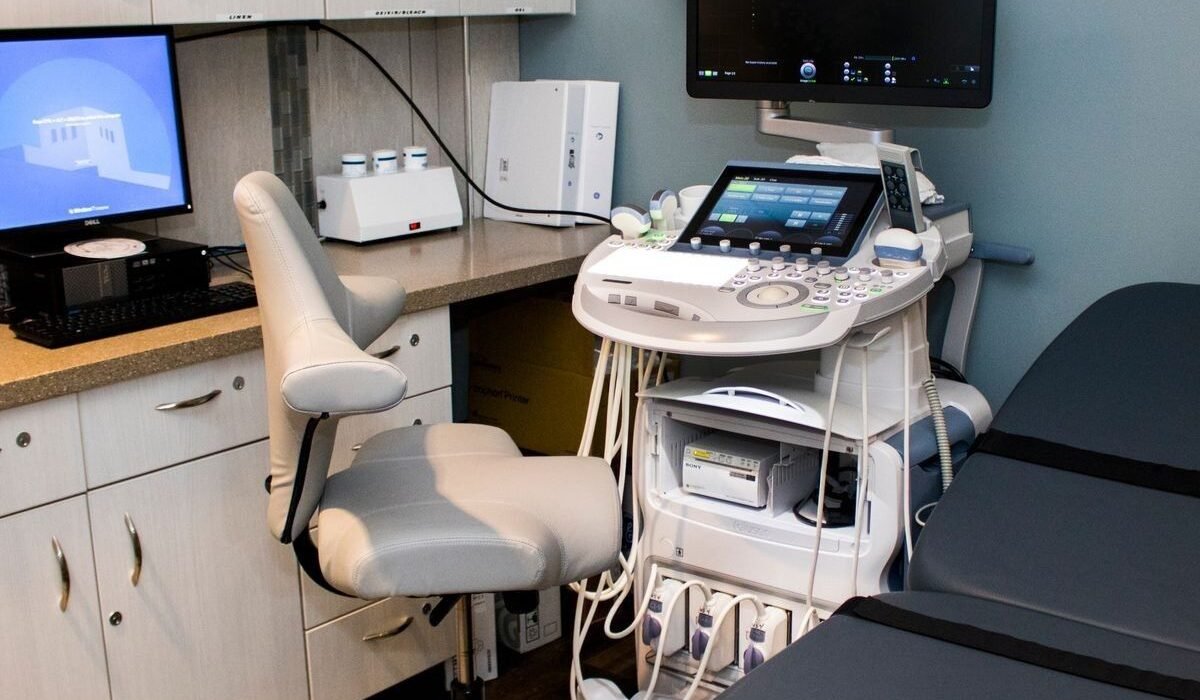
In the rapidly evolving landscape of medical diagnostics, technology dictating clinical outcomes is nowhere more evident than in medical imaging. For decades, traditional black-and-white (gray-scale) ultrasound examinations served as the foundational bedrock of non-invasive internal diagnostics. However, the dawn of modern digital high-definition (HD) ultrasound systems, integrated with color Doppler capabilities, has fundamentally shifted expectations for both healthcare practitioners and patients.
While classic gray-scale imaging remains a necessary baseline tool, relying solely on legacy systems is no longer sufficient for comprehensive, high-stakes medical evaluations. Understanding why digital color ultrasound represents a superior diagnostic choice requires analyzing image processing, hemodynamics, early pathology detection, and patient communication.
The Architecture of Imaging: Gray-Scale vs. Digital Innovation
To appreciate the superiority of modern digital systems, one must first examine how these technologies process anatomical data. Traditional black-and-white ultrasound relies strictly on B-mode (Brightness mode) imaging. The system transmits high-frequency sound waves into the body, which bounce off internal tissue interfaces. The returning echoes are translated into varying shades of gray based on tissue density:
- Fluid-filled structures (like cysts or full bladders) appear completely black (anechoic) because sound waves pass straight through them.
- Dense tissues (like gallstones or bones) appear bright white (hyperechoic) because they reflect sound strongly.
While this mapping effectively outlines basic anatomical structures, it possesses inherent limitations in contrast resolution and spatial clarity.
Modern digital ultrasound platforms, by contrast, utilize advanced computational algorithms to clean, amplify, and interpret returning signals in real time. Digital systems feature automated speckle reduction, spatial compound imaging, and harmonic processing. These technologies reduce the “grainy” artifacts common to old analog machines, sharpening tissue boundaries and uncovering subtle variations in echogenicity that would otherwise blend into a muddy gray background.
The Power of Hemodynamics: Visualizing Blood Flow
The most profound limitation of a standard black-and-white ultrasound is its inability to evaluate functional movement dynamically—specifically, the behavior of blood flow. This is where Digital Color Doppler technology becomes indispensable.
Based on the Doppler effect, when sound waves strike moving red blood cells, the frequency of the reflected wave shifts. A digital color ultrasound system processes these frequency changes and overlays vibrant color maps directly onto the structural gray-scale image:
- Red zones typically indicate blood moving toward the transducer probe.
- Blue zones represent blood flowing away from it.
[Traditional B-Mode] ------> Shows static structural morphology (Shape & Density)
[Digital Color Doppler] ---> Overlays dynamic hemodynamic data (Velocity & Direction)
In clinical settings, this distinction is frequently a matter of critical safety. For example, when evaluating a suspicious pelvic or abdominal mass, a gray-scale image can only show the size and shape of the lump. A digital color Doppler scan reveals the internal vascular architecture of the mass. Malignant tumors often generate rapid, chaotic, and dense networks of new blood vessels (neovascularization). By revealing these abnormal flow patterns instantly, digital systems allow radiologists to distinguish between a benign fluid-filled cyst and a vascularized solid tumor with far greater certainty.
Critical Diagnostic Applications: Obstetric and Vascular Precision
The clinical advantages of digital systems over legacy black-and-white units are particularly evident across two major medical specialties:
1. Advanced Obstetrics (3D/4D and Fetal Well-being)
In prenatal care, traditional gray-scale imaging provides an essential frame of reference for measuring fetal bone growth and estimating gestational age. However, managing high-risk pregnancies demands a higher tier of diagnostic capability. Digital color Doppler enables obstetricians to assess blood flow through the umbilical artery, the fetal middle cerebral artery, and uterine arteries.
Detecting subtle flow restrictions early allows for the timely management of conditions like intrauterine growth restriction (IUGR) and preeclampsia. Furthermore, modern digital processing powers 3D and 4D ultrasound configurations, transforming flat, ambiguous gray slices into recognizable, high-definition lifelike renderings of the fetus. This aids both in structural anomaly screening and maternal-fetal bonding.
2. Cardiovascular and Peripheral Vascular Assessments
For patients presenting with sudden leg pain and swelling, ruling out a Deep Vein Thrombosis (DVT) is an urgent priority. A standard black-and-white scan can show if a vein is non-compressible, but a partial or fresh blood clot can sometimes appear echo-translucent, mimicking open space on a gray-scale screen. A digital color Doppler scan provides immediate clarity; if the color map fails to fill the vessel block or shows turbulent detours around an obstruction, the presence of a thrombus is confirmed instantly.
Elevating Patient Comprehension and Clinical Confidence
Beyond pure diagnostic metrics, the transition to high-definition digital ultrasound significantly improves the patient experience. Traditional black-and-white ultrasound screens can look like an unrecognizable storm of static to an untrained eye. Expectant mothers or patients undergoing complex abdominal reviews often struggle to comprehend what they are looking at, which can heighten anxiety during stressful diagnostic windows.
Digital interfaces display crisp, high-contrast imagery, and color overlays make physical realities immediately accessible. When a patient can clearly see blood flowing normally through an organ or view a sharply defined, realistic image of their developing child, it bridges the gap between complex medical findings and personal understanding. This clarity fosters trust, enhances compliance with subsequent treatment steps, and provides profound peace of mind.
The Verdict: An Indispensable Standard of Care
| Imaging Feature | Traditional Gray & Black Ultrasound | Modern Digital Color Doppler |
| Primary Output | Static structural contours in gray shades | High-definition anatomy with real-time color flow maps |
| Vascular Capability | Limited to structural inference | Full hemodynamic tracking (direction, velocity, turbulence) |
| Image Clarity | Susceptible to heavy acoustic speckle/grain | Advanced digital filtering for razor-sharp edge definition |
| Pathology Detection | Detects advanced structural changes | Identifies early-stage vascular anomalies and fine micro-lesions |
While standard gray-and-black ultrasound continues to hold a reliable place for rapid, preliminary triage and basic anatomical profiling, it is no longer the gold standard for intricate, comprehensive clinical evaluations. Digital high-definition color Doppler ultrasound represents the optimal choice for modern medical settings. By combining structural clarity with live functional insights, digital ultrasound ensures that diagnoses are delivered swiftly, accurately, and with the utmost confidence.